Golem Craft: Shin World
- 3.4
- Rating
- 1.00M
- Installs
- Free
- Price
 Analysis by App-foxy
I went into Golem Craft: Shin World expecting a light crafting game, but its appeal is broader than simply collecting materials and making things. The basic idea places mining, crafting, and battles around a world filled with golems, so the interesting question is not only what I can build, but how I want to prepare before taking a fight. That gives this free simulation game a useful layer of planning beneath its approachable presentation.
It is made by CraftKing Studio and sits in the simulation category, although it also borrows familiar ideas from crafting and combat games. The store summary presents a huge golem-focused world, while the actual attraction for me is the loop of choosing what to gather, deciding when to improve my setup, and judging whether a battle is worth the risk. It is aimed at Everyone, which makes it easy to recommend as a casual game for a broad audience, though younger players may still need help understanding the value of patience and preparation.
The game has reached over a million installs and holds an average rating of 3.4 from around 2.7 thousand ratings. Those figures suggest a game with real visibility but also a divided reception. My experience explains why: the central concept is easy to understand and satisfying in short sessions, yet the enjoyment depends heavily on whether you like repeating collection and improvement cycles instead of moving through a tightly scripted adventure.
You May Also Like

 Blood Strike: 2.5 Anniversary
Blood Strike’s Loadouts Turn Every Drop Into a Tactical Gamble
A close look at Blood Strike’s custom loadouts: how fast access to signature weapons reshapes its battle royale rhythm, rewards preparation, and narrows the gap between fights.

 Pandora - Music & Podcasts
Pandora’s Music Is Easy to Start, but Harder to Recover
Pandora’s strength is its low-effort path from a seed to a station. Its weak spot is how much confidence it asks you to place in connection, setup, and quiet recovery.

 8 Ball Pool
 Is Built on Rivalries, Rematches, and Routine
A close look at the rivalries, rematches, shared routines, and unanswered safety questions that turn a quick pool match into a persistent mobile community.

 Samsung Music
’s Quiet Strength Is Playing What You Already Own
Its reach comes less from spectacle than from dependable access to a personal library. That simplicity is both the app’s strongest retention engine and its ceiling.

 AccuWeather: Weather Radar
AccuWeather Review: A Quick, Clear Forecast for Everyday Decisions
For everyday plans, the best forecast is the one you can understand quickly. AccuWeather makes rain timing, radar, and local conditions easy to act on, with a few trade-offs.

 Hill Climb Racing
Why Hill Climb Racing Still Turns Crashes Into One More Run
A tiny car, a bumpy hill and one more upgrade: Hill Climb Racing keeps resurfacing because its simple chaos makes every near-miss feel personal.
More From Our News Desk



How the decision-making works in Shin World
The first important choice is how much time to spend preparing before pushing forward. Mining is not just a background activity; it is the part that supports everything else. If I rush toward battles without giving myself enough material, the next encounter feels unnecessarily difficult. If I spend too long gathering, the game can lose momentum. That tension is where the simulation side becomes more interesting than the simple “mine, craft, fight” description suggests.
I found it helpful to treat each session as a small plan rather than trying to do everything at once. I begin by deciding whether the immediate goal is stronger equipment, more crafting progress, or a safer attempt at a battle. That choice changes how I use the available time. A player who always crafts first may feel secure but progress slowly, while someone who constantly seeks battles may create avoidable setbacks. The best results come from matching preparation to the next clear objective, not from collecting every possible resource without a reason.
Crafting also works best when it is connected to a specific need. Making items simply because the option is available can leave me with less flexibility later. I prefer to gather with a purpose: improve my ability to handle the next challenge, replace something that is no longer useful, or make a planned push into a more demanding part of the world. This approach makes the resource loop feel less repetitive because every trip underground has a decision attached to it.
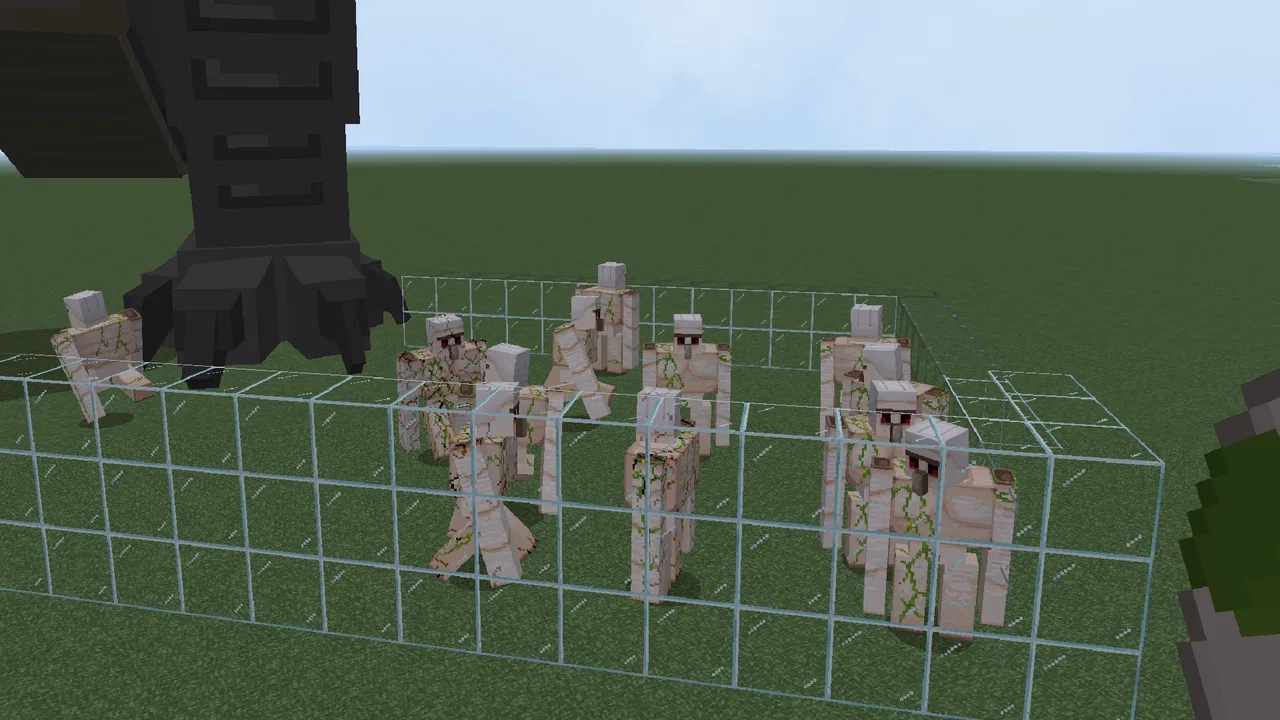
The golems give the game its identity. They are not just decoration around a standard crafting system; they are the reason the world feels different from a typical mining simulator. When I encounter one, I have to think about whether the timing is right. A battle can be exciting, but it can also interrupt a productive gathering run. That makes route planning and timing matter, even when the controls remain straightforward.
Planning a useful session instead of wandering
A practical routine is to set a short-term target before starting. For example, I might decide that the session is successful if I gather enough material for one meaningful improvement, or if I test my current setup against one opponent and learn from the result. This prevents the common problem of playing without a clear endpoint, which can make repetitive games feel longer than they are.
This style suits people who enjoy gradual progress. It is less suitable for anyone looking for a fast action game where every minute delivers a new event. The mining and crafting stages ask for attention, but not always for constant excitement. I see that as a deliberate trade-off: the game gives me room to plan, but it does not always provide the dramatic pace of a dedicated battle game.
Another useful habit is to avoid spending all resources immediately. Keeping a reserve gives me room to respond after an unsuccessful fight or an unexpected need. That reserve is especially valuable when I am experimenting, because testing a new approach is more comfortable when one mistake does not erase the next planned upgrade. The game rewards players who think one step ahead rather than treating every resource as something to consume at once.
Risk, reward, and the cost of rushing
Golem Craft becomes more engaging when I accept that not every encounter should be taken immediately. A stronger opponent may offer a tempting opportunity, but the reward only matters if I can survive the attempt and still continue developing afterward. This creates a simple form of risk management: do I want reliable progress now, or do I want to gamble on a faster improvement?
That decision is particularly relevant during ordinary play. Imagine I have a short break and begin a mining run with enough time for one battle. If I spend the whole session gathering, I make safe progress. If I challenge a golem near the end, I may gain more from the session, but I also risk finishing without the result I wanted. For me, the better choice depends on whether I am testing a strategy or trying to build resources consistently. The game is more enjoyable when I make that choice consciously.
There is also a psychological reward in seeing a plan work. Gathering can feel routine, but when the materials collected earlier allow me to craft the improvement I needed and then handle a difficult encounter, the separate systems connect nicely. The satisfaction comes from preparation paying off, not only from winning a battle. That is why I would not judge the game solely by how exciting its combat feels moment to moment.
At the same time, the risk-and-reward structure has limits. If a player prefers transparent, highly competitive balance, the experience may feel too dependent on repetition and personal patience. The game is not the best choice for someone who wants every decision to have a dramatic tactical consequence. Its decisions are meaningful mainly across a series of sessions, where small gains accumulate and a poor choice can slow progress rather than completely redefine the game.
When a failed attempt is still useful
I try to treat an unsuccessful battle as information rather than wasted time. It can show that I entered too early, prepared for the wrong situation, or used resources without a clear priority. The important response is not to repeat the same attempt immediately. I return to mining or crafting, adjust the plan, and come back with a more realistic goal. That simple loop makes failure less frustrating and gives the simulation structure.
One of the more useful trade-offs is deciding between a broad upgrade path and a focused one. Spreading resources across every possible improvement can make the character or setup feel generally better, but it may not solve the specific problem that caused a defeat. Concentrating on one clear weakness is less flexible, yet it often produces a more noticeable result. I prefer focused upgrades when I know what stopped me, and broader progress when I am still learning the world.
Players should also consider session length. Short play works well for collecting a little material or planning the next move, while longer sessions make it easier to connect mining, crafting, and combat into one complete cycle. The game can fit both styles, but the experience changes: brief sessions emphasize steady accumulation, whereas longer sessions make the strategic loop more visible.
Adapting your approach as the world pushes back
The game’s strongest strategic quality is that it encourages adaptation without requiring complicated controls. I cannot rely on one fixed routine forever if the next challenge demands better preparation. The useful question becomes, “What is preventing progress right now?” Sometimes the answer is a lack of materials; sometimes it is poor timing; sometimes I simply need to stop treating every encounter as an obligation.
That mindset makes the world feel less like a checklist. Instead of moving through it mechanically, I pay attention to what my current resources allow. If a battle is beyond my present ability, I can turn the session into a mining objective. If crafting has given me a stronger foundation, I can switch toward testing that improvement. This flexibility is the main reason I think the game works better for thoughtful players than for people who want a single optimal route handed to them.
Adaptation also means changing the pace. There are moments when slow, careful progress is clearly better than constant action. At other times, continuing to gather after I already have enough for the next useful step only creates unnecessary repetition. I try to stop mining when I have reached a practical goal instead of chasing an abstract idea of being fully prepared. Perfect preparation is rarely necessary in a game built around gradual improvement.
For everyday use, I would recommend playing with a simple three-part cycle: gather enough for one purpose, craft or improve around that purpose, then test the result. This keeps each part of the game connected. It also makes it easier to identify where the friction is. If gathering feels fine but battles feel punishing, the issue is probably preparation or timing. If battles are enjoyable but progress feels slow, the problem may be spending materials too widely.
Who will enjoy the adaptation loop
This is a good fit for players who enjoy sandbox-style progression but still want clear reasons to improve. It can also work for someone who likes simulation games and wants occasional combat to break up resource gathering. The golem theme gives the experience a distinct personality, so it feels more specific than a generic mining game.
I would be more cautious recommending it to players who dislike repetition, resource management, or gradual power increases. Someone seeking a story-heavy adventure may find the central loop too open-ended. Likewise, fans of precise action combat may prefer a game where battles are the main event rather than one stage in a larger crafting cycle. The Everyone rating makes the game broadly accessible, but accessibility does not mean every play style will find the pacing satisfying.
The game is also a weaker choice if you want a polished alternative to a large, established crafting sandbox with extensive building freedom. Those games usually offer more ways to customize a world and more systems to master. Shin World has a narrower identity built around golems, mining, crafting, and battles. That narrower focus is approachable, but it also means players expecting an enormous construction toolkit may feel limited.
Why the game can deepen over time
Long-term enjoyment depends on whether the player finds satisfaction in improving decisions, not merely unlocking stronger results. The first sessions are about learning the relationship between mining, crafting, and combat. Later sessions are more about efficiency: gathering with a purpose, spending resources carefully, and choosing challenges that fit the current level of preparation.
That progression creates a useful distinction between mechanical depth and planning depth. The controls may remain easy to understand, but the consequences of poor planning become clearer as I try to move faster. I start asking better questions: should I invest now or save for a larger improvement, should I test a risky battle or secure a guaranteed gain, and is my current route helping me reach the next goal? Those questions are where the game earns its simulation label.
The large golem premise also gives the experience a sense of scale, even though the most enjoyable progress happens through small personal goals. I do not need to think about the entire world at once. Focusing on the next resource target or the next battle keeps the game manageable. This is an important tip for avoiding burnout: treat the broad world as a backdrop, and measure progress through practical milestones.
There is, however, a ceiling to the depth. Players who need constant new systems, narrative surprises, or highly varied missions may eventually feel that the core loop repeats too much. The same qualities that make the game easy to pick up can reduce its long-term freshness for experienced simulation fans. I would describe it as a game that gains depth through better planning, not one that continually transforms itself into a different experience.
The current version is 355005, and it runs on Android 7.0 or later. That makes it available to many Android users, including people who are not using the newest devices. In practical terms, I would still approach performance expectations sensibly on older hardware, especially during longer sessions, but the minimum operating-system requirement is not especially demanding for a modern Android game.
How it compares with familiar alternatives
Compared with a pure mining game, this title has more purpose behind resource collection because the materials support both crafting and battles against golems. Compared with a dedicated combat game, it is slower and more deliberate, since preparation occupies a meaningful part of the experience. Compared with a broad construction sandbox, it is more focused and easier to understand, but it does not offer the same sense of unlimited creative building.
That middle position is important. If I want a relaxing resource loop with occasional pressure, Shin World is a sensible choice. If I want elaborate architecture, deep storytelling, or combat that demands fast reactions, I would choose a different category of game. Its strength is not that it replaces all of those alternatives; it is that it combines enough of each to create a compact golem-centered routine.
The free price removes the main barrier to trying it, which matters because the game’s pacing will not suit everyone. I can sample the loop without committing money, then decide whether the mining-to-battle rhythm works for me. The average rating of 3.4 reflects that this is likely to be a personal-preference game: appealing when its balance of calm preparation and risk fits the player, less convincing when repetition feels like work.
My strategy verdict after playing
My recommendation is to approach Golem Craft: Shin World as a planning game with combat attached, not as a nonstop battle title. The most satisfying sessions are the ones where I choose a goal, gather with intention, craft around a known need, and take a calculated chance against a golem. Playing it that way makes the separate systems feel connected and gives even a short session a clear shape.
The game is especially suitable for casual players who enjoy gradual progress, resource decisions, and a distinctive creature theme. It is also a good option for someone who wants a simulation experience that can be played in small steps rather than demanding a long uninterrupted campaign. The free model and Everyone content rating make it easy to test, while the Android requirement keeps the technical entry point reasonably broad.
I would skip it if I know I dislike repeated gathering or if I need a strong story to motivate every objective. I would also choose a more specialized alternative for deep construction, fast combat, or complex strategic systems. Shin World does not win by being the most advanced game in any one area. It works when its focused combination is exactly what I want.
My final advice is to resist rushing. Save enough material to recover from a poor decision, focus upgrades on the problem in front of you, and use battles as tests of preparation rather than mandatory interruptions. With that approach, Golem Craft: Shin World becomes a pleasant cycle of planning and adjustment. It is not flawless, and its repetition may narrow its audience, but for players who enjoy turning small resource choices into steady progress, CraftKing Studio has created a free simulation game worth trying.
FAQs for Golem Craft: Shin World
01What is Golem Craft: Shin World?
Golem Craft: Shin World is a crafting and exploration game centered on building, collecting resources, and creating a personalized world. Players can usually shape their surroundings, construct structures, and interact with golem-themed elements while progressing through different activities. The experience is aimed at users who enjoy sandbox gameplay, creative building, and discovering new areas at their own pace.
02Is Golem Craft: Shin World free to download and play?
The game is generally available to download without an upfront purchase, but availability and pricing may differ between Android and iOS. Depending on the version, it may include advertisements, optional in-app purchases, or paid items that provide cosmetic or gameplay-related benefits. Before installing, check the store listing carefully for current pricing, extra charges, and supported devices.
03Does Golem Craft: Shin World require an internet connection?
An internet connection may be needed for the initial download, updates, advertisements, account services, or certain online features. Some core building and exploration activities may work offline, but this can depend on the device and the current version of the game. If you plan to play without mobile data, test the game after installation and review its permissions and store information.
04Is Golem Craft: Shin World suitable for children?
Golem Craft: Shin World may appeal to younger players because of its colorful presentation, creative construction, and fantasy-inspired gameplay. However, parents should review the age rating, advertising content, chat or social features, and available in-app purchases before allowing children to play. Using parental controls and disabling unauthorized purchases is recommended, particularly on shared family devices.
05What devices are compatible with Golem Craft: Shin World?
Compatibility depends on the operating system, hardware requirements, and the version distributed through the official app stores. Older phones or tablets may experience longer loading times, reduced performance, or limited graphics settings. Before downloading, confirm that your device meets the listed Android or iOS requirements and has enough free storage for the installation and future updates.
Pros
- Simple controls make it easy to start playing quickly.
- Creative building tools encourage experimentation and personal designs.
- Exploration offers surprises beyond the main crafting activities.
- Lightweight gameplay suits short sessions on many mobile devices.
- The fantasy setting gives the world a distinctive visual identity.
Cons
- Progress can feel repetitive once the early discovery phase ends.
- Some features may be difficult to understand without clear guidance.
- Large builds can become time-consuming on a touchscreen.
- Performance may vary on older phones or tablets.
- The game may have limited appeal for players seeking a strong storyline.

Golem Craft: Shin World
Gallery